Overview
-
Sectors Procurement
-
Posted Jobs 0
-
Viewed 30
Company Description
Why Buy Fake Documents Is Your Next Big Obsession
The Growing Market of Fake Documents: A Cautionary Overview
In an age of quick technological improvement, the counterfeit file industry is flourishing. Fake documents– from passports and driver’s licenses to diplomas and recognition cards– have become significantly accessible. While there are a myriad of uses for these documents, lots of are prohibited and included substantial dangers, both legally and personally. This article will explore the pros and cons of obtaining fake documents, the techniques used to obtain them, and the prospective effects of such actions.
Understanding the Demand for Fake Documents
The need for fake paperwork originates from a range of motives. Some individuals seek to acquire deceitful papers for genuine factors, such as helping with travel or browsing administrative red tape. However, a considerable portion of the need originates from those trying to dedicate fraud, avert the law, or merely find shortcuts in life.
Common Types of Fake Documents
- Passports: Often looked for after for travel or to secure a new identity.
- Driver’s Licenses: Used often by underage people looking to purchase alcohol or gain entry to clubs.
- Diplomas and Transcripts: Created by individuals wishing to present themselves as more gotten approved for task chances.
- Identification Cards: Needed for different purposes, such as accessing services or verifying identity.
- Social Security Cards: Utilized for unlawful work or to access government services fraudulently.
Reasons Behind the Acquisition
People seek fake documents for various reasons, including:
- Identity Fraud: Many usage fake identification to impersonate another individual for monetary gain or legal avoidance.
- Work Obstacles: Some people get deceptive diplomas or qualifications to bypass certification barriers in the job market.
- Migration Challenges: In desperate circumstances, people may use fake passports or visas to get away oppressive routines or undesirable situations.
- Age Verification: Some more youthful people resort to counterfeit recognition to take part in activities restricted to grownups.
The Online Marketplace for Fake Documents
The rise of the web has actually even more fueled the expansion of fake documents. Many websites and forums develop a thorough marketplace where people can acquire a variety of false documents.
Methods of Acquisition
- Dark Web: The most infamous place to get fake documents is through the dark web, where anonymity rules and transactions are often untraceable.
- Social network: There are groups and pages on various social networks platforms that connect purchasers and sellers of illegal documents.
- Street Vendors: In some city areas, people can discover suppliers who offer fake documents for a fee.
- Peer-to-Peer Networks: Word-of-mouth and referrals regularly lead individuals to less visible sources of counterfeit documents.
Although getting fake documents may seem relatively uncomplicated, it is crucial to understand the risks included.
Risks Associated with Fake Documents
-
Legal Penalties: The main risk of obtaining or using fake documents is legal difficulty, which can consist of substantial fines and jail time. Lots of jurisdictions treat identity fraud as a major criminal activity, often leading to extensive legal consequences.
-
Direct exposure to Scams: Purchasing fake documents falschgeld kaufen online – www.jaysongranelli.Top – can expose buyers to rip-offs. These transactions are typically uncontrolled, leaving purchasers susceptible to scammers who might take their money without providing an item.
-
Credibility Damage: Being captured with a fake document can result in a ruined reputation that affects individual and professional relationships.
-
Problem in Travel and Employment: Those utilizing fake documents might find themselves disallowed from travel or rejected job opportunity once their fraud is exposed.
Often Asked Questions
1. Are fake documents easily noticeable?
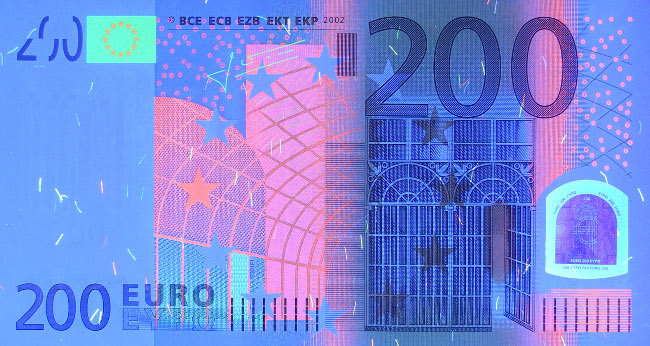
Numerous fake documents can be found due to improvements in security innovation and strenuous verification processes employed by governments and organizations. Features such as holograms, microprinting, and ingrained security chips make it tough to reproduce credibility.
2. What are the legal repercussions for utilizing fake documents?
Legal penalties differ by location however can include fines, community service, and imprisonment. Sometimes, individuals might likewise face charges connected to scams or identity theft, leading to more serious sentences.
3. How can I report believed counterfeit documents or sellers?
People can report counterfeit documents or sellers to regional law enforcement companies. Lots of nations also have national scams hotlines or consumer security organizations that handle such complaints.
4. Exist any genuine uses for fake documents?
While the line in between legitimate and invalid usages for fake documents is blurred, some individuals argue that they are required for undocumented immigrants seeking a better life. Nevertheless, even in these situations, the legal implications stay extreme and complex.
5. Can I get captured utilizing a fake file after years of usage?
Yes, even if somebody has used a fake file for several years without detection, modifications in verification technology or a regular check can expose them. The longer an individual utilizes a fake document, the most likely they are to run into concerns.
The market for fake documents continues to thrive, driven by a blend of requirement and opportunism. Nevertheless, the threats associated with such actions far exceed any potential advantages. Offered the legal, ethical, and personal repercussions of using counterfeit documents, people are highly encouraged to think seriously about their motivations and think about alternative, legitimate services to their challenges. The attraction of fast repairs can be appealing, but the long-term consequences of such decisions can cause substantially more distress than any short-term gain.