Overview
-
Sectors Automotive Jobs
-
Posted Jobs 0
-
Viewed 611
Company Description
NHS: A Universal Embrace
In the sterile corridors of Birmingham Women’s and Children’s NHS Foundation Trust, a young man named James Stokes navigates his daily responsibilities with subtle confidence. His smart shoes whisper against the floor as he greets colleagues—some by name, others with the comfortable currency of a “how are you.”
James displays his credentials not merely as a security requirement but as a testament of acceptance. It rests against a well-maintained uniform that offers no clue of the tumultuous journey that preceded his arrival.

What separates James from many of his colleagues is not obvious to the casual observer. His demeanor discloses nothing of the fact that he was among the first participants of the NHS Universal Family Programme—an undertaking crafted intentionally for young people who have spent time in care.
“The Programme embraced me when I needed it most,” James says, his voice steady but carrying undertones of feeling. His statement captures the core of a programme that strives to transform how the vast healthcare system perceives care leavers—those vulnerable young people aged 16-25 who have graduated out of the care system.
The statistics reveal a challenging reality. Care leavers frequently encounter greater psychological challenges, financial instability, accommodation difficulties, and lower academic success compared to their contemporaries. Behind these impersonal figures are personal narratives of young people who have maneuvered through a system that, despite genuine attempts, frequently fails in offering the nurturing environment that forms most young lives.
The NHS Universal Family Programme, launched in January 2023 following NHS England’s pledge to the Care Leaver Covenant, represents a substantial transformation in institutional thinking. Fundamentally, it acknowledges that the whole state and civil society should function as a “universal family” for those who have missed out on the security of a traditional family setting.
Ten pioneering healthcare collectives across England have charted the course, creating frameworks that reimagine how the NHS—one of Europe’s largest employers—can open its doors to care leavers.
The Programme is thorough in its strategy, initiating with thorough assessments of existing procedures, creating oversight mechanisms, and securing executive backing. It recognizes that meaningful participation requires more than noble aims—it demands practical measures.
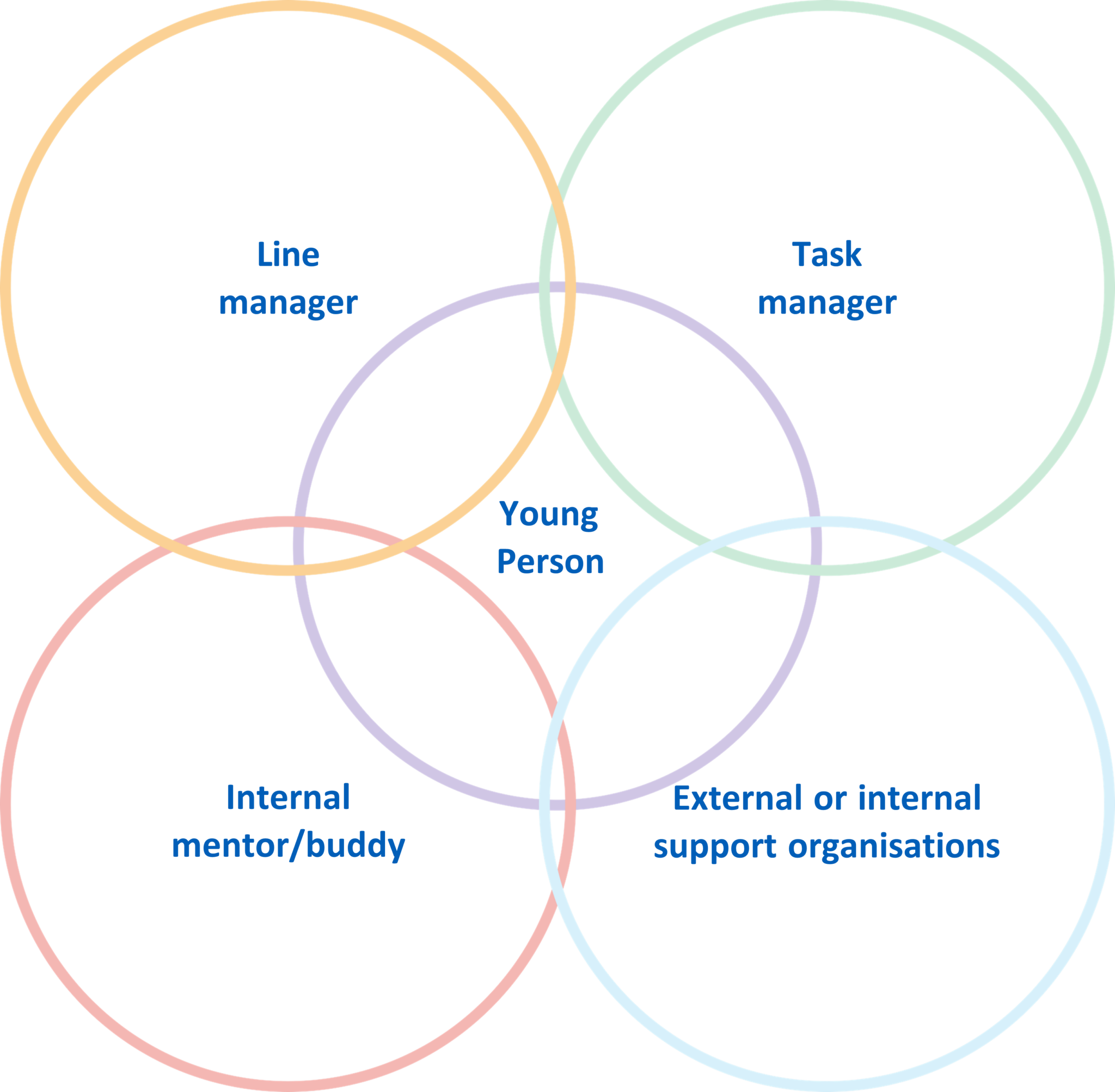
In NHS Birmingham and Solihull ICB, where James started his career, they’ve developed a regular internal communication network with representatives who can offer support, advice, and guidance on mental health, HR matters, recruitment, and equality, diversity, and inclusion.
The traditional NHS recruitment process—rigid and often daunting—has been thoughtfully adapted. Job advertisements now focus on character attributes rather than numerous requirements. Applications have been redesigned to consider the specific obstacles care leavers might face—from missing employment history to having limited internet access.
Maybe most importantly, the Programme understands that beginning employment can pose particular problems for care leavers who may be managing independent living without the support of parental assistance. Issues like commuting fees, personal documentation, and banking arrangements—considered standard by many—can become substantial hurdles.
The elegance of the Programme lies in its meticulous consideration—from clarifying salary details to helping with commuting costs until that crucial first salary payment. Even seemingly minor aspects like rest periods and office etiquette are deliberately addressed.
For James, whose career trajectory has “transformed” his life, the Programme delivered more than work. It offered him a feeling of connection—that elusive quality that emerges when someone is appreciated not despite their history but because their distinct perspective enhances the organization.
“Working for the NHS isn’t just about doctors and nurses,” James comments, his gaze showing the quiet pride of someone who has discovered belonging. “It’s about a family of different jobs and roles, a team of people who truly matter.”
The NHS Universal Family Programme represents more than an work program. It functions as a bold declaration that institutions can evolve to welcome those who have known different challenges. In doing so, they not only change personal trajectories but enhance their operations through the distinct viewpoints that care leavers bring to the table.
As James moves through the hospital, his involvement quietly demonstrates that with the right assistance, care leavers can succeed in environments once considered beyond reach. The support that the NHS has provided through this Programme signifies not charity but acknowledgment of hidden abilities and the essential fact that each individual warrants a community that champions their success.